 Skip to content
Introduction
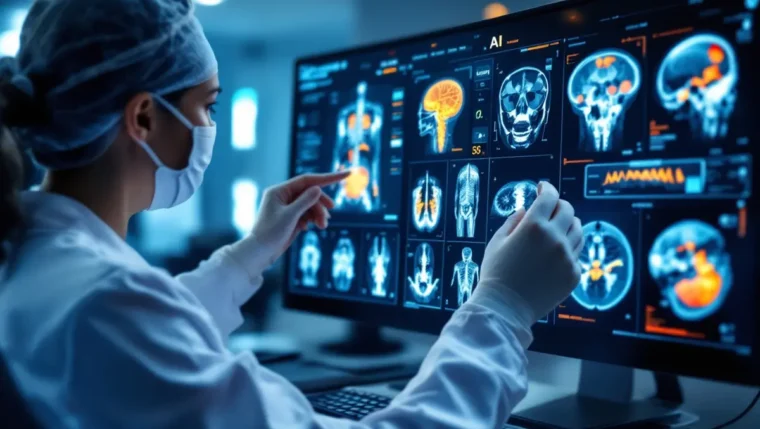
Radiology is one of the fastest-growing areas in healthcare, and artificial intelligence (AI) is transforming the way doctors diagnose and treat patients. In 2025, hospitals across the world are increasingly adopting AI-powered radiology systems that assist radiologists in reading scans more quickly, identifying early signs of diseases, and reducing the chances of misdiagnosis. These technologies not only save time but also improve patient outcomes, especially in complex cases such as cancer, neurological disorders, and cardiovascular diseases. Hospitals offering AI-powered radiology in 2025 are setting new standards in patient care by combining human expertise with intelligent automation.
Why AI in Radiology Matters
AI is not replacing radiologists but is helping them become more accurate and efficient. Here are some key reasons why AI-powered radiology has become important in hospitals:
- Faster Diagnosis – AI algorithms can review X-rays, MRIs, and CT scans within seconds.
- Early Detection – AI detects subtle patterns in images that might be missed by the human eye.
- Improved Accuracy – Reduces errors in diagnosing conditions like cancer, fractures, and stroke.
- Personalized Care – Helps tailor treatment plans based on precise imaging insights.
- Cost-Effective – Saves time and reduces unnecessary repeat imaging.
Top Hospitals Offering AI-Powered Radiology in 2025
1. Mayo Clinic (USA)
The Mayo Clinic is globally recognized for its innovation in healthcare. In 2025, its radiology department uses AI systems to assist in the early detection of cancers and cardiovascular diseases. The hospital’s AI models are trained with millions of imaging records, providing unmatched accuracy in complex cases.
2. Cleveland Clinic (USA)
Cleveland Clinic has integrated AI-powered radiology across all its imaging centers. The hospital is focusing on AI systems that can detect early signs of neurological conditions, including Alzheimer’s and Parkinson’s disease. It also provides training programs for radiologists to work with advanced AI tools.
3. Massachusetts General Hospital (USA)
Mass General is at the forefront of radiology research. Its AI systems assist radiologists in analyzing high-resolution scans for oncology, orthopedics, and cardiac imaging. The hospital collaborates with leading tech companies to advance AI solutions in imaging.
4. Johns Hopkins Hospital (USA)
Johns Hopkins Hospital combines AI and radiology for precision medicine. Its radiology department uses machine learning models that predict the risk of tumor growth and suggest treatment strategies. AI tools also help improve efficiency in emergency care imaging.
5. Mount Sinai Hospital (USA)
Mount Sinai is one of the pioneers in implementing AI-powered radiology. The hospital’s AI platform is widely used in detecting lung diseases, such as early-stage lung cancer and chronic obstructive pulmonary disease (COPD).
6. University of California, San Francisco (UCSF) Medical Center (USA)
UCSF Medical Center is a leader in integrating AI with radiology, particularly in brain imaging and musculoskeletal conditions. The hospital’s AI systems are designed to help radiologists quickly differentiate between normal and abnormal scans.
7. Toronto General Hospital (Canada)
Toronto General Hospital has adopted AI systems for radiology to improve cancer detection and cardiovascular imaging. The hospital works with Canadian research institutions to ensure constant innovation in AI-driven healthcare.
8. Charité – Universitätsmedizin Berlin (Germany)
This leading European hospital integrates AI tools in radiology for diagnosing neurological and musculoskeletal disorders. Its AI-driven workflow reduces the time taken to interpret scans, allowing doctors to focus more on patient care.
9. Apollo Hospitals (India)
Apollo Hospitals is one of the largest healthcare providers in Asia. In 2025, it is using AI-powered radiology systems to improve accessibility and affordability of imaging diagnostics in India. Its AI systems help radiologists diagnose conditions in rural and urban areas alike.
10. Singapore General Hospital (Singapore)
Singapore General Hospital has incorporated AI into radiology for cancer and cardiovascular imaging. The hospital focuses on making radiology faster, more precise, and patient-centered through advanced AI-driven tools.
Future of AI in Radiology
The future of AI in radiology looks very promising. Hospitals are investing in research and expanding AI applications to more areas of medicine. Some of the expected future developments include:
- Integration with Electronic Health Records (EHRs) for more personalized treatment plans.
- AI-driven prediction models for identifying patients at high risk before symptoms appear.
- Remote AI diagnostics for rural and underserved areas.
- Real-time decision support for emergency departments.
- Continuous learning systems where AI improves itself by analyzing new data.
Challenges in Implementing AI Radiology
Despite the advancements, there are challenges hospitals face while adopting AI in radiology:
- High Costs – Setting up AI-powered systems requires significant investment.
- Training Needs – Radiologists and staff need to learn how to work with new technology.
- Data Privacy Concerns – Handling patient imaging data must follow strict privacy laws.
- Regulatory Approval – AI algorithms need approval before being used for patient care.
Benefits for Patients
Patients are among the biggest beneficiaries of AI-powered radiology in hospitals. Some advantages include:
- Quicker and more accurate diagnoses.
- Early treatment options that improve recovery chances.
- Reduced waiting times for scan results.
- More confidence in treatment plans.
Tips for Patients Choosing AI-Powered Hospitals
If you are considering treatment at a hospital offering AI-powered radiology, here are a few tips:
- Research hospitals that have a proven track record in AI imaging.
- Ask about how AI is used in your diagnosis and treatment plan.
- Ensure the hospital has certified radiologists working alongside AI systems.
- Check whether the hospital participates in global research or innovation programs.
Conclusion
Hospitals offering AI-powered radiology in 2025 are shaping the future of healthcare. By combining human expertise with advanced algorithms, these hospitals are improving the speed, accuracy, and reliability of medical imaging. While challenges such as cost and training exist, the long-term benefits for patients and healthcare systems are enormous. AI in radiology is not just a trend but a permanent shift toward smarter, safer, and more effective patient care.
